Understanding Modular Water Treatment Equipment
In an increasingly industrialized world, the demand for effective and efficient water treatment solutions has never been more crucial. Modular water treatment equipment has emerged as a transformative technology, enabling industries to deploy water treatment systems tailored to their specific needs while maintaining operational efficiency and compliance with environmental regulations. As a leading Water Treatment Equipment Supplier, QILEE is committed to providing innovative, customizable solutions that cater to diverse industrial sectors.
What is Modular Water Treatment Equipment?
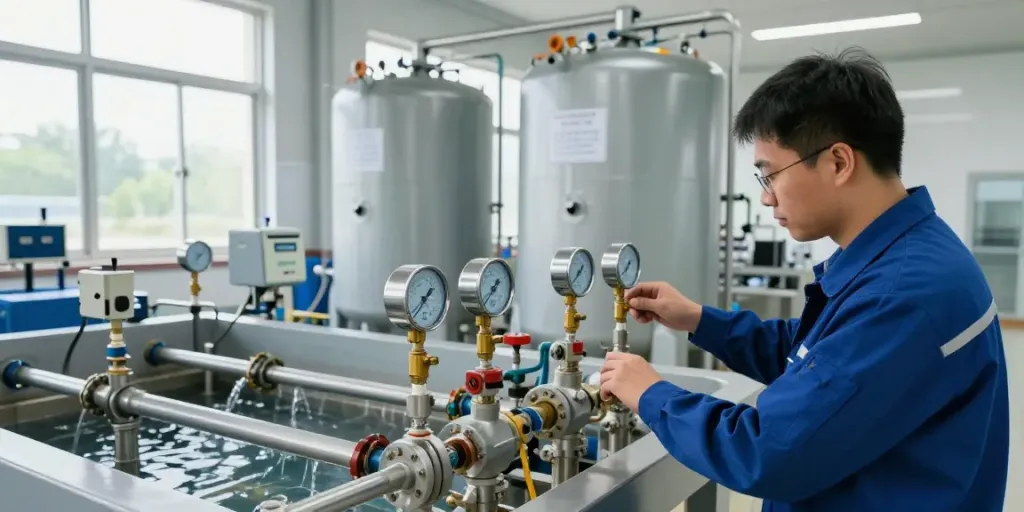
Modular water treatment equipment consists of prefabricated units that can be easily transported, assembled, and integrated into existing systems. These modular systems offer flexibility, allowing users to scale their operations according to demand, making them ideal for both small-scale and large-scale applications. This adaptability not only enhances operational efficiency but also reduces installation time significantly, enabling industries to respond swiftly to changing regulations and market conditions.
Key Components of Water Treatment Systems
Modular water treatment systems are typically composed of several essential components:
- Filtration Units: These units remove particulate matter and contaminants from water, ensuring its quality before further treatment.
- Membrane Technologies: Systems such as reverse osmosis and ultrafiltration provide high levels of purification and are crucial for industries needing advanced water treatment.
- Disinfection Modules: These incorporate methods like UV radiation or chemical dosing to eliminate harmful microorganisms.
- Control Systems: Automated monitoring and control systems ensure optimal operation and maintenance of treatment processes.
Advantages of Modular Systems in Various Industries
The advantages of modular water treatment systems are vast, especially in industries that face stringent environmental regulations and a need for efficient resource management. Some key benefits include:
- Scalability: Easily expand or reduce capacity based on operational needs.
- Cost-Effectiveness: Reduced capital expenditure and operational costs due to prefabricated systems.
- Quick Deployment: Rapid installation allows industries to meet urgent water treatment demands.
- Enhanced Efficiency: Integrated systems provide streamlined processes and reduced waste.
Applications of Water Treatment Equipment
Water treatment equipment plays a pivotal role in various industries, ensuring compliance with health and environmental standards. Its applications span several sectors, each with unique requirements and challenges.
Industries Benefiting from Water Treatment Solutions
Several key industries utilize water treatment systems to enhance their operations:
- Chemical Manufacturing: Essential for maintaining water quality in chemical processes and ensuring minimal environmental impact.
- Food and Beverage: Critical for sanitation and quality assurance in food production, ensuring safe water for processing and cleaning.
- Textile Production: Involves treating water for dyeing and finishing processes to reduce water pollution and improve product quality.
- Energy Sector: Water treatment is vital for cooling processes, steam generation, and meeting environmental compliance in power plants.
Case Studies: Successful Implementation in Environmental Projects
Many industries have successfully implemented modular water treatment systems. For instance, a recent project in a textile company involved the installation of a modular reverse osmosis system. This upgrade allowed the company to recycle 80% of its wastewater, significantly reducing operational costs and environmental footprint.
Regulatory Standards Impacting Water Treatment
Compliance with local and international regulations such as the Clean Water Act and the Safe Drinking Water Act drives industries to adopt advanced water treatment solutions. Understanding these regulatory frameworks can help companies design and implement systems that not only meet but exceed compliance requirements.
Choosing the Right Water Treatment Equipment Supplier
Selecting a water treatment equipment supplier is a critical decision that impacts operational efficiency and regulatory compliance. The right partnership can facilitate the successful implementation of water treatment solutions across various applications.
Key Qualities of a Reliable Supplier
When searching for a water treatment equipment supplier, consider the following factors:
- Experience: Look for suppliers with a proven track record in your specific industry.
- Customization: Ensure the supplier can provide tailored solutions that meet your operational needs.
- Technical Support: Evaluate the level of customer service and technical support provided.
- Reputation: Research the supplier's reputation and customer reviews to gauge reliability and performance.
Questions to Ask Before Partnering
Before finalizing a partnership with a supplier, consider asking the following questions:
- What is your experience in dealing with our industry?
- Can you provide case studies or references from similar projects?
- What is the expected delivery timeline for equipment?
- What types of warranties and support services do you offer?
Evaluating Supplier Performance
Post-implementation, it’s essential to evaluate your supplier’s performance based on equipment efficiency, service reliability, and support responsiveness. Regular assessments help in maintaining an effective partnership that aligns with your operational goals.
Innovations in Integrated Chemical Process Systems
The rise of integrated chemical process systems signifies a shift towards more precise and automated chemical dosing in water treatment applications. These innovations not only enhance treatment reliability but also ensure compliance with environmental standards.
Latest Developments in Chemical Dosing Technologies
Recent advancements in sensor technology and intelligent control algorithms have revolutionized the chemical dosing process. By utilizing real-time data, these technologies enable accurate dosing, minimizing chemical waste and enhancing treatment efficacy.
Benefits of Automation in Water Treatment
Automation simplifies the management of complex water treatment processes, allowing for:
- Reduced Labor Costs: Less manual intervention is required, leading to lower operational costs.
- Improved Accuracy: Automated systems ensure precise dosing and minimize human error.
- Enhanced Monitoring: Real-time tracking of water quality and treatment processes allows for quick adjustments as needed.
Future Trends in Chemical Process Systems
The future of chemical process systems in water treatment is likely to see a focus on sustainability and efficiency. Innovations such as AI-driven predictive maintenance and environmentally friendly chemicals will become increasingly integral to designs and operations.
Challenges and Solutions in Water Treatment
The water treatment industry faces numerous challenges that can hinder operational effectiveness. Understanding these challenges helps in formulating effective strategies to address them.
Common Challenges Faced by Industries
- Regulatory Compliance: Keeping up with ever-evolving environmental regulations can be daunting.
- Resource Scarcity: Limited access to fresh water resources poses a significant challenge.
- Technological Gaps: Many industries lack the latest technologies, impacting treatment efficiency.
Proven Strategies for Overcoming Obstacles
To successfully navigate these challenges, industries can implement several strategies:
- Regular Training: Ensuring staff are well-trained on the latest technologies and compliance requirements.
- Investment in Technology: Prioritizing investments in modern water treatment solutions to enhance efficiency.
- Partnerships: Collaborating with experienced suppliers ensures access to the best practices and technological advancements.
Looking Ahead: Future of Water Treatment Technology
The future of water treatment technology is bright, with emerging trends such as decentralized treatment systems, advanced filtration methods, and sustainable practices becoming more prevalent. As industries prioritize environmental impact and resource efficiency, the demand for innovative water treatment solutions will only grow.
What are the largest water treatment companies?
Some of the leading players in the water treatment sector include Veolia, SUEZ, Ecolab, and Xylem, all recognized for their innovative technologies and solutions tailored towards sustainable water management.
How to start a water treatment business?
Starting a water treatment business requires a robust understanding of regulatory requirements, technology investments, and market demand. Developing a detailed business plan and partnering with experienced suppliers can significantly enhance the venture's likelihood of success.
Who makes the best water treatment system?
Determining the "best" water treatment system often depends on specific needs and applications. A thorough assessment of technology, efficiency, and supplier support is crucial to identify the most suitable solutions for individual requirements.
What are the top 5 water treatment companies in the world?
The water treatment industry boasts several top companies, including Veolia, SUEZ, Ecolab, Xylem, and Aquatech, known for their pioneering technologies and global impact on water management.