Understanding Mini Split AC Units
Mini split AC units have become a popular choice for homeowners and businesses alike, offering flexible and efficient cooling options without the complexity of traditional HVAC systems. These systems are particularly beneficial for spaces where ductwork is impractical or where targeted cooling is needed. The growing interest in energy-efficient solutions makes understanding these systems essential for making an informed decision. When exploring options, mini split ac unit provides comprehensive insights into various models and their capabilities.
What is a Mini Split AC Unit?
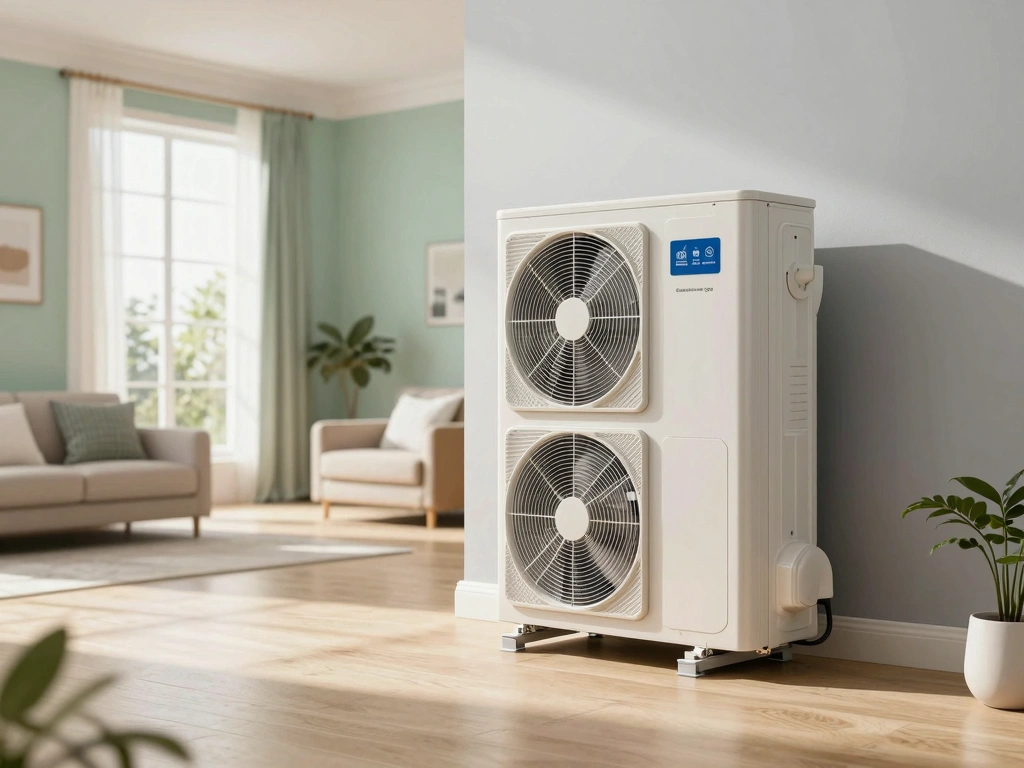
A mini split air conditioning unit, often referred to as a ductless system, consists of two main components: an outdoor compressor unit and one or more indoor air-handling units. This design allows for efficient cooling and heating of individual rooms or zones without the need for extensive ductwork. The flexibility of mini splits makes them ideal for retrofitting older homes or adding cooling capability to spaces like garages or sunrooms.
Benefits of Mini Split Systems
- Energy Efficiency: Mini split systems are known for their high SEER (Seasonal Energy Efficiency Ratio) ratings, which indicate superior energy efficiency compared to traditional systems.
- Zone Control: With the ability to control the temperature in individual rooms, mini splits offer personalized comfort based on specific needs.
- Quiet Operation: Mini splits operate more quietly than traditional HVAC systems, making them suitable for bedrooms and living areas.
- Easy Installation: Compared to central air conditioning systems, mini splits require less invasive installation, often needing only a small hole for the connecting line.
- Increased Design Flexibility: These systems come in various styles and configurations, allowing homeowners to choose designs that blend seamlessly with their decor.
Components of Mini Split AC Units
Understanding the components of a mini split system is crucial for effective operation and maintenance. The primary parts include:
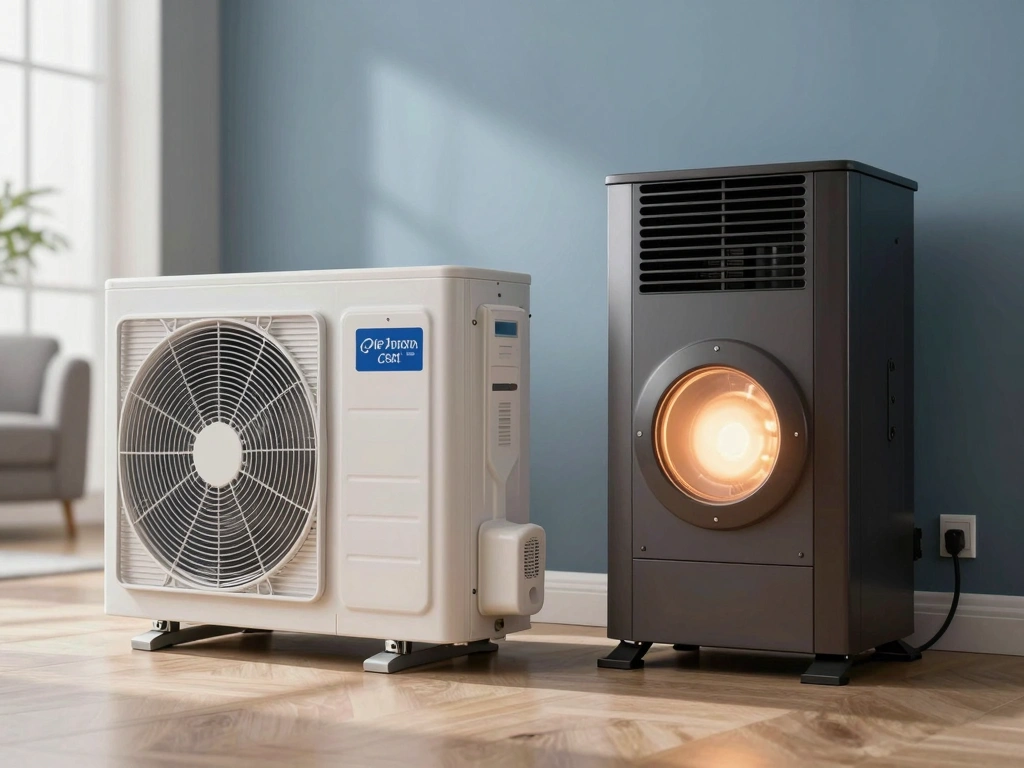
- Outdoor Unit: Contains the compressor and condenser, responsible for expelling heat from the refrigerant.
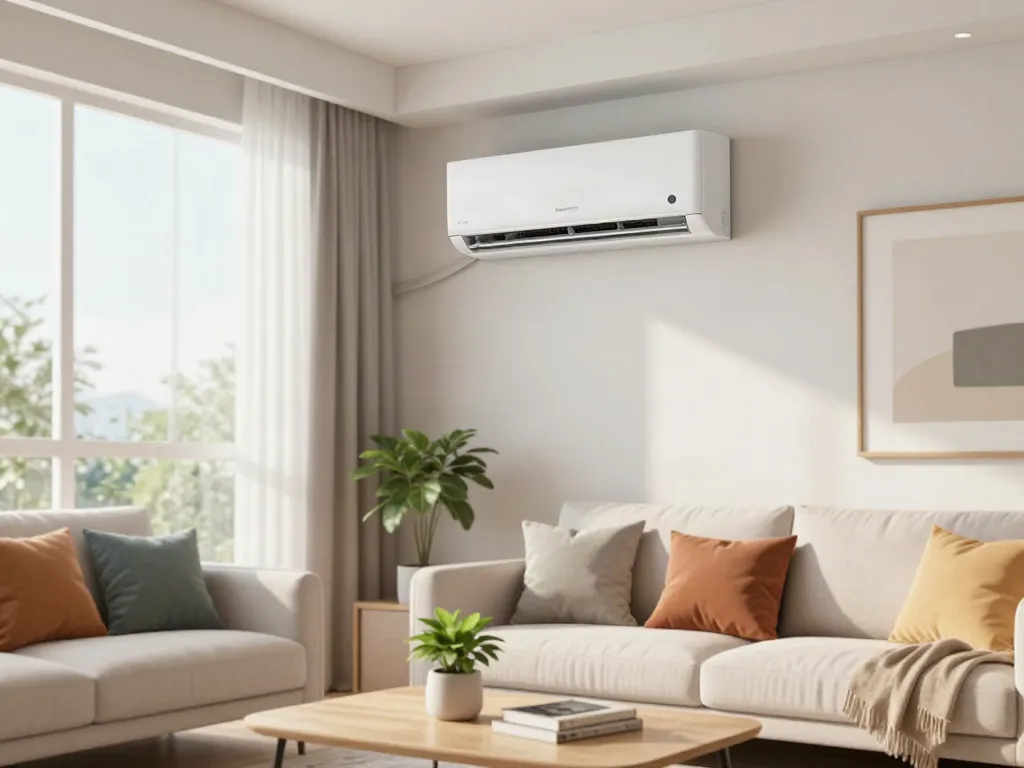
- Indoor Unit: The air handler that distributes cooled or heated air throughout the room; can be wall-mounted, ceiling-mounted, or recessed.
- Refrigerant Lines: Connect the indoor and outdoor units, allowing for the transfer of refrigerant between the two.
- Remote Control or Smart Thermostat: Provides convenient temperature control options, with many modern models offering app integration for smart home compatibility.
Choosing the Right Mini Split AC Unit
Selecting the appropriate mini split AC unit involves several considerations to ensure optimal performance and efficiency. From understanding the required cooling capacity to exploring specific features, each aspect plays a vital role in your decision-making process.
Factors to Consider When Buying
- Cooling Capacity: Measurements in BTUs (British Thermal Units) are crucial; units should be sized according to the area they will service.
- Energy Efficiency: Look for units with high SEER ratings, indicating lower running costs and environmental impact.
- Noise Level: Check the decibel (dB) ratings, especially for indoor units, to ensure a quiet operation.
- Brand Reputation: Major brands often provide better customer service, warranty options, and long-term reliability.
- Installation Requirements: Ensure the model's installation needs align with your home's structure and your budget.
Estimating Required BTU for Efficient Cooling
Calculating the necessary BTU for your mini split system is essential to avoid over or under-cooling your space. Factors affecting BTU requirements include:
- Room Size: Generally, a larger room requires a higher BTU rating to achieve effective cooling.
- Sunlight Exposure: If your room receives significant sunlight, you may need a higher BTU to counteract the heat gain.
- Number of Occupants: More people generate additional heat, requiring more cooling capacity.
Comparing Brands and Models
When selecting a mini split AC unit, it's critical to compare various brands and models, focusing on their unique features and performance metrics. Some popular brands include:
- Daikin: Known for its innovative technology and excellent warranty options.
- Mitsubishi Electric: Offers varying indoor unit styles and high energy efficiency ratings.
- LG: Provides stylish designs with smart technology integration.
Installation Best Practices
Proper installation of your mini split AC unit is vital for ensuring its longevity and efficiency. Whether you are considering professional installation or a DIY approach, understanding the best practices is essential.
Hiring a Professional vs. DIY Installation
While some homeowners may opt for a DIY installation to save costs, hiring a professional installer can provide peace of mind and ensure the system is set up correctly. Professionals are trained to handle refrigerants, ensuring compliance with regulations while also offering insights on optimal placement and setup.
Common Installation Mistakes to Avoid
Avoiding common pitfalls during installation can enhance system efficiency and performance:
- Incorrect Sizing: Installing a unit that is too small or too large for the space can lead to inefficiencies.
- Poor Placement: Avoid locating the indoor unit in areas that obstruct airflow or create drafts.
- Neglecting Drainage: Ensure proper drainage for condensate to avoid water damage and mold growth.
Preparing Your Home for Installation
Preparation can significantly streamline the installation process. Clear the intended installation area, ensure easy access to electrical panels, and verify that the location meets structural and aesthetic requirements.
Operating Your Mini Split AC Unit Efficiently
After installation, understanding how to operate your mini split AC unit efficiently can save energy and enhance comfort levels. Familiarizing yourself with its features and maintenance needs is crucial for longevity.
Smart Thermostat Integration
Integrating a smart thermostat can optimize your cooling patterns by adjusting settings based on your schedule and preferences. Many newer mini split systems are compatible with smart home technology, allowing for remote management and energy usage tracking.
Seasonal Maintenance Tips
Regular maintenance is key to prolonging the life of your mini split unit:
- Clean Filters: Check and clean filters monthly to maintain airflow and efficiency.
- Inspect Outdoor Unit: Ensure the outdoor unit is clear of debris and obstructions that can affect performance.
- Schedule Professional Tune-Ups: Annual check-ups can catch potential issues early and maintain optimal operation.
Understanding Energy Efficiency Ratings
Familiarize yourself with energy efficiency ratings, such as SEER and EER (Energy Efficiency Ratio), to gauge your mini split's performance compared to other cooling systems. Higher ratings often correlate with lower operational costs and environmental impact.
Future Trends in Mini Split Technology
As technology evolves, so does the capability of mini split AC units. Staying informed about upcoming trends can help you choose systems that will remain efficient and effective in the long term.
Emerging Features in 2026 Mini Splits
New models are expected to offer advanced features such as:
- AI-Driven Performance: Artificial Intelligence integration to learn user habits and optimize energy usage accordingly.
- Enhanced Filtration Systems: Improved filters that capture more allergens and pollutants, contributing to better indoor air quality.
- Smart Integration: Increased compatibility with IoT devices for comprehensive home automation.
Eco-Friendly Initiatives in HVAC Technology
Environmental concerns drive many innovations in HVAC technology, including mini split systems. Expect to see more products using eco-friendly refrigerants and design strategies aimed at reducing carbon footprints.
Predictions for Mini Split Market Growth
The demand for mini split systems is projected to grow as awareness of energy-efficient options increases. Market analysts predict that energy-saving technologies will continue to gain traction, making these systems a staple in both residential and commercial HVAC solutions.
What are the disadvantages of a mini split?
Despite their advantages, mini split systems may not fit every scenario. Common disadvantages include:
- Higher upfront installation costs compared to traditional window units.
- Potential aesthetic concerns due to indoor unit visibility.
- Maintenance can be more complex if not regularly performed.
Why is my electric bill so high with mini split?
High energy bills can result from several factors, such as:
- Improper sizing, leading to overworking the system.
- Dirty air filters or outdoor units restricting airflow.
- Using units inefficiently or running them continuously at maximum settings.
Are mini-split AC units worth it?
Ultimately, the worth of a mini split AC unit depends on individual needs. For many, the combination of energy efficiency, flexibility, and targeted comfort make them a valuable investment, particularly in spaces where traditional systems fall short.
How much does it typically cost to install a mini split?
The installation cost of a mini split system can vary widely based on factors such as:
- System size and capacity.
- Number of indoor units required.
- Installation complexity and local labor rates.
On average, homeowners can expect to pay between $3,000 to $8,000 for the entire setup, including the units and installation labor.