Understanding Ceiling Speakers: Types and Features
Ceiling speakers have become an essential component in modern audio systems, providing unobtrusive sound solutions for both residential and commercial spaces. These speakers offer various benefits, including space-saving designs and high audio quality. When exploring options, اسپیکر سقفی provides comprehensive insights into selecting the right ceiling speakers to enhance your audio setup. Whether you are interested in creating an immersive home theater experience or simply wish to fill your living space with music, knowing the various types and features of ceiling speakers is crucial.
What are Ceiling Speakers?
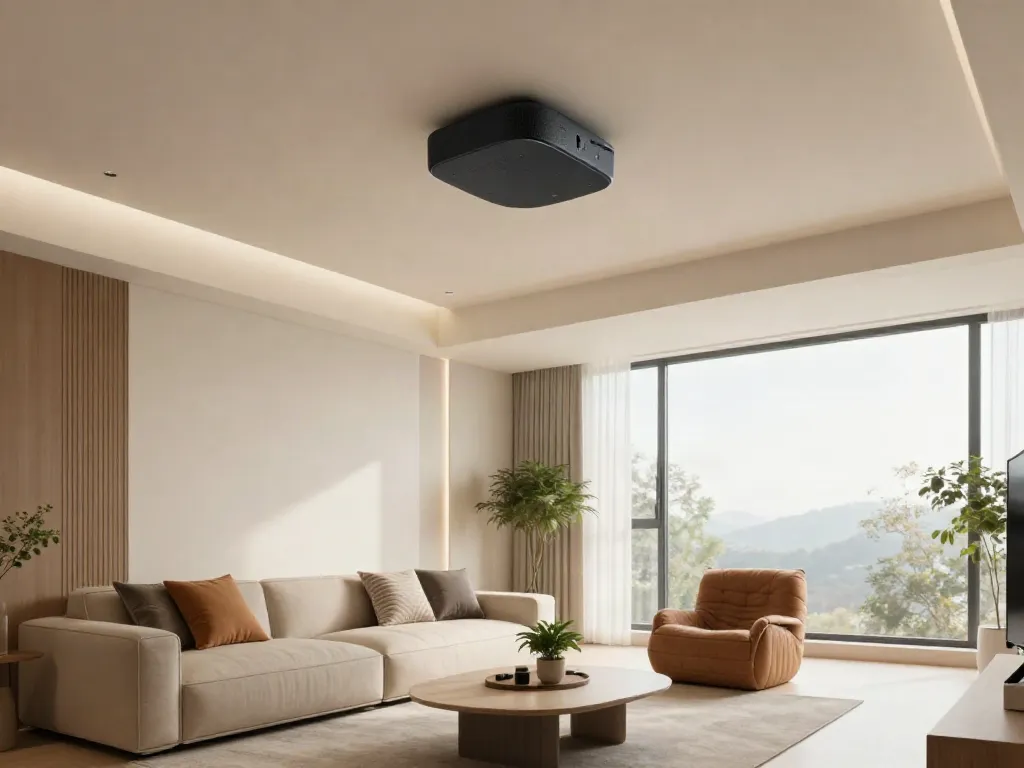
Ceiling speakers are loudspeakers designed to be mounted on or in ceilings, allowing for a discreet audio solution. Unlike traditional floor-standing or bookshelf speakers, ceiling speakers are integrated into the architecture of a room, ensuring that sound can be evenly distributed without taking up valuable floor space. They are particularly popular in entertainment setups, conference rooms, and residential spaces where aesthetics and function are both priorities.
Active vs. Passive Ceiling Speakers
Understanding the difference between active and passive ceiling speakers is critical for any potential buyer. Active speakers come with built-in amplifiers, meaning they can be plugged directly into a power outlet without needing a separate amplifier. This makes installation simpler as fewer components are required. Conversely, passive speakers rely on external amplifiers for their power, which can provide better sound quality but may complicate the installation process due to the need for additional wiring.
Key Features of Smart Ceiling Speakers
Smart ceiling speakers are equipped with advanced features that offer enhanced connectivity and integration capabilities. These options often include:
- Wireless Connectivity: Many smart ceiling speakers support Wi-Fi and Bluetooth, allowing users to stream audio directly from devices without the need for physical connections.
- Multi-Room Audio: Some models can be integrated into a larger home audio network, allowing synchronized playback across multiple rooms.
- Voice Control: Compatibility with smart home assistants like Amazon Alexa and Google Assistant enables voice commands for playback and volume adjustments.
Choosing the Right Ceiling Speaker for Your Space
When selecting the ideal ceiling speaker, it is essential to consider various factors tailored to your specific needs and environment. The right choice can significantly affect your overall audio experience.
Factors to Consider When Buying
Several key factors should influence your decision when purchasing ceiling speakers:
- Room Size: Larger rooms may require speakers with higher wattage to fill the space effectively.
- Sound Quality: Look for products with high sensitivity ratings and frequency response to ensure the best audio experience.
- Installation Type: Consider whether you want in-ceiling (flush mount) or surface-mounted speakers based on your space and aesthetic preferences.
Common Mistakes to Avoid
Many buyers make mistakes that can affect their satisfaction with ceiling speaker systems. Common errors include:
- Not considering the room acoustics, which can lead to poor sound quality.
- Choosing speakers without sufficient power for the intended space.
- Overlooking compatibility with existing audio systems or smart home networks.
How to Match Speakers to Room Size
Matching the power of your ceiling speakers to the size of the room is vital. For instance, smaller rooms typically need lower wattage speakers, while large open spaces may require high-power models to ensure sound clarity and reach. A general guideline is to select speakers with a minimum of 10 watts per 100 square feet of room area, adjusting as necessary based on your specific preferences and the speaker’s sensitivity.
Installation Techniques for Ceiling Speakers
Proper installation is crucial for achieving optimal sound quality from your ceiling speakers. Below are best practices to ensure an effective setup.
Best Practices for Mounting
Before installation, it is essential to determine the best locations for your ceiling speakers. Ideally, speakers should be positioned to create an equidistant triangle from the listening area for a balanced sound experience. Consider using a stud finder to locate beams and joists for secure mounting.
Wiring and Connecting Ceiling Speakers
For passive ceiling speakers, proper wiring is crucial. This involves running speaker wires from the amplifier or receiver to each speaker location, taking care to avoid any electrical interference that could degrade audio quality. For active models, ensure that the power source is nearby and accessible to simplify the connection process.
Common Installation Challenges and Solutions
Some common challenges include limited ceiling space, uneven ceiling surfaces, and accessibility to power sources. Installing mounting brackets and utilizing extension cords or power outlets can help mitigate these issues. Always consult a professional if you encounter unexpected complications during installation.
Enhancing Sound Quality and Performance
Once your ceiling speakers are installed, adjusting settings and utilizing accessories can significantly improve sound quality.
Adjusting Speaker Settings for Optimal Sound
Fine-tuning your speaker settings through your audio receiver’s equalizer can help match the sound profile to your room’s acoustics. Experiment with bass, treble, and midrange settings to find the best balance for your environment.
Utilizing Accessories: Subwoofers and Amplifiers
For a richer sound experience, consider incorporating subwoofers to enhance low frequencies. Additionally, using a dedicated amplifier for passive speakers can provide more power and improve overall sound clarity, making it an essential component for high-quality audio systems.
Real-World Examples of Successful Installations
Many businesses and homes utilize ceiling speakers effectively. For instance, a restaurant might install ceiling speakers in strategic locations to ensure a pleasant dining ambiance without overwhelming diners. Similarly, home theaters often benefit from carefully placed ceiling speakers to enhance the cinematic experience.
Future Trends in Ceiling Speaker Technology
The future of ceiling speaker technology is promising, with advancements that enhance both functionality and user experience.
Smart Home Integration
With the rise of smart home technology, ceiling speakers are increasingly becoming integral components of home automation systems. Future models may feature improved voice recognition and integration, allowing seamless control over music and sound settings throughout the house.
Emerging Brands and Technologies for 2026
As the market evolves, new brands will likely emerge, offering innovative products that prioritize sustainability and enhanced sound quality. Companies focusing on eco-friendly materials and advanced audio technology are anticipated to lead the way.
Predictions for Sound Quality Improvements
Future advancements in digital signal processing and speaker materials will likely lead to significant improvements in sound quality. Users can expect clearer audio, better bass response, and enhanced overall performance in the coming years.
What is the difference between active and passive ceiling speakers?
Active speakers have built-in amplifiers, while passive speakers require an external amplifier to function effectively. This distinction influences installation complexity and sound quality.
How do I install ceiling speakers?
Installing ceiling speakers involves selecting the right location, mounting them securely, and connecting them to your audio system. This may require running wires and ensuring proper connections.
What features should I consider when buying a ceiling speaker?
Look for features such as sound quality, power rating, wireless capabilities, and compatibility with existing audio systems to ensure you choose the best product for your needs.
Can ceiling speakers be used in outdoor settings?
Yes, outdoor-rated ceiling speakers can withstand environmental factors, but they should be installed in protected areas to avoid direct exposure to the elements.
What is the average cost of ceiling speakers in 2026?
The cost of ceiling speakers can vary widely based on brand and features, with high-quality models ranging from $100 to over $500 per speaker in 2026. Budget options are also available for those looking for basic functionality.