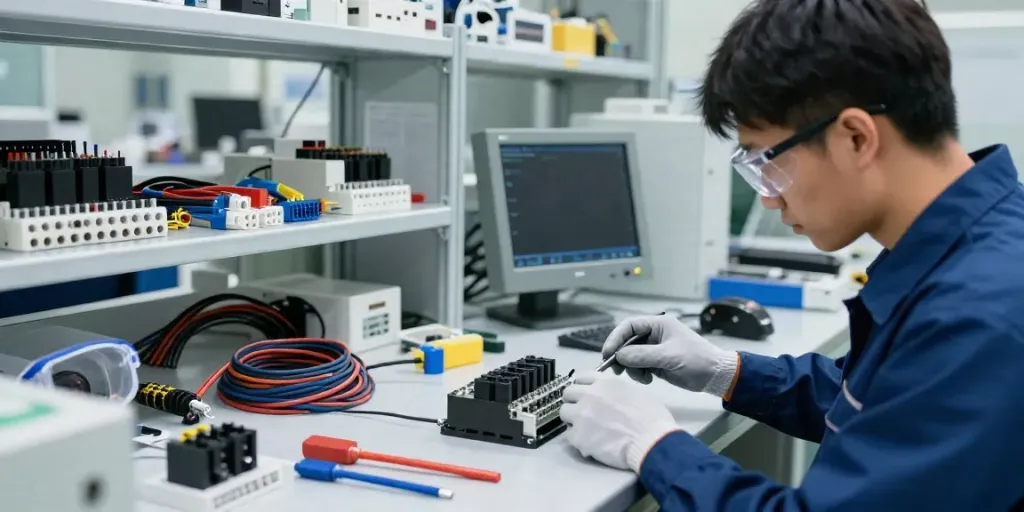
Understanding OEM Electrical Components
In the ever-evolving landscape of electronics manufacturing, Original Equipment Manufacturer (OEM) electrical components play a pivotal role in ensuring high-quality performance and reliability in various applications. These components are designed specifically for integration into a larger product, reflecting the manufacturer’s commitment to quality and precision. As industries become increasingly reliant on advanced electronic systems, the demand for certified and compliant OEM electrical components continues to surge.
When exploring options, OEM electrical component suppliers offer an array of solutions tailored to meet specific operational needs. This article delves into essential aspects of OEM electrical components, including definitions, comparison with aftermarket parts, certifications, and more, providing valuable insights for businesses and engineers alike.
What Are OEM Electrical Components?
OEM electrical components are parts manufactured by the same company that produces the final product. These components are engineered to fit seamlessly within the design of electronic systems, ensuring optimal functionality and performance. Common examples of OEM electrical components include power connectors, switches, relays, and wire harnesses. In many cases, these components are specified by the original manufacturer to maintain quality control and brand integrity across their product lines.
Key Differences Between OEM and Aftermarket Parts
The distinction between OEM and aftermarket parts is crucial in the electronics industry. While OEM components are produced by the original manufacturer, aftermarket parts are made by third-party companies. Here are some critical differences:
- Quality Assurance: OEM parts typically meet higher manufacturing standards and specifications than aftermarket alternatives, ensuring better performance and reliability.
- Compatibility: Since OEM parts are designed specifically for particular products, they guarantee compatibility, reducing the risk of functionality issues.
- Warranty and Support: OEM parts often come with warranties and guaranteed support from the original manufacturer, whereas aftermarket components may lack this assurance.
- Cost: Generally, OEM parts tend to be more expensive than aftermarket options due to their guaranteed quality and performance standards.
Importance of Certifications in OEM Products
Certifications play a vital role in the assurance of quality and compliance in OEM electrical components. Certifications such as UL, CE, and RoHS indicate that products have undergone rigorous testing and adhere to industry standards for safety and environmental regulations. Choosing certified OEM components is crucial for manufacturers seeking compliance with local and international regulations. Moreover, certifications enhance the credibility of the manufacturer, fostering trust among end-users.
Choosing the Right OEM Electrical Component
Selecting the appropriate OEM electrical components involves several critical considerations to ensure they meet the specific needs of your applications. This section will guide you through various aspects to evaluate when sourcing OEM components.
Evaluating Technical Specifications
Technical specifications of OEM electrical components—such as voltage ratings, current capacity, and environmental ratings—are paramount in ensuring compatibility with your systems. Understanding these specifications helps in selecting components that not only fit your design but also provide reliable operation under various conditions. Conducting thorough research and consulting technical data sheets is essential for optimal decision-making.
Assessing Supplier Reliability and Capabilities
The reliability of your OEM supplier can significantly impact your product's success. Investigating the manufacturer’s history, reputation, and capability in producing high-quality products is crucial. Look for manufacturers that have proven experience in your industry, along with a robust quality control system. Suppliers like LANZ Electronics, with extensive certifications and a solid reputation, can provide the confidence needed when sourcing vital components.
Understanding Compliance and Standards
Compliance with industry standards is non-negotiable in the procurement of OEM components. Ensure that your chosen components meet all relevant standards specific to your industry, whether for medical equipment, automotive applications, or consumer electronics. Engaging with suppliers that emphasize adherence to these standards will mitigate risks associated with liability and safety concerns.
Best Practices for OEM Electrical Component Applications
To maximize performance and longevity, it's essential to adopt best practices when integrating OEM electrical components into your designs. This section outlines key strategies for ensuring successful applications.
Custom Engineering Solutions for Specific Needs
In many cases, standard OEM electrical components may not fully meet the unique requirements of your applications. Custom engineering solutions allow you to tailor components to fit specific operational needs. Collaborating with manufacturers who offer customization capabilities can lead to innovative solutions that enhance performance and efficiency in your systems.
Implementing Quality Control Measures
Quality control is an integral part of the manufacturing process. Implementing stringent quality control measures during the sourcing and production phases helps ensure that the OEM components perform as expected. This includes regular inspections, testing, and audits to maintain high standards throughout the supply chain. By prioritizing quality control, businesses can reduce defects and improve product reliability.
Common Challenges and How to Overcome Them
Working with OEM electrical components can present challenges, such as supply chain disruptions or changes in technology. To mitigate these risks, companies should build relationships with multiple suppliers, maintain flexible sourcing strategies, and stay informed about emerging technologies. Additionally, effective communication with suppliers can foster collaboration and innovation, leading to better outcomes.
Future Trends in OEM Electrical Components
The landscape of OEM electrical components is continually evolving, driven by technological advancements and changes in industry demands. Understanding these trends is vital for strategic planning and future-proofing your product lines.
Emerging Technologies Impacting Manufacturing
New technologies such as IoT, AI, and automation are reshaping the manufacturing of OEM electrical components. These technologies improve efficiency, reduce costs, and enhance the precision of produced components. For instance, smart manufacturing techniques can streamline production processes, allowing for rapid prototyping and customization of components to meet changing market demands.
Predictions for the Electrification of Industries
As industries increasingly adopt electrification, the demand for high-quality OEM electrical components is expected to rise. Sectors like electric vehicles, renewable energy, and smart grids will drive this trend, necessitating advancements in component technology to enhance performance and efficiency. Businesses need to adapt their strategies to align with the growing emphasis on sustainability and energy efficiency.
Insights from Industry Leaders and Experts
Industry leaders emphasize the importance of innovation and adaptation in the OEM electrical components sector. As competition intensifies, companies must focus on research and development to stay ahead. Furthermore, engaging with industry experts can provide valuable insights into market trends and help shape effective strategies for sourcing and integrating OEM components.
Measuring Success with OEM Electrical Components
To ensure that your investments in OEM electrical components yield desired results, it is crucial to establish metrics for success. This section explores the key performance indicators (KPIs) that can help gauge the effectiveness of your OEM solutions.
Key Performance Indicators for OEM Projects
Establishing KPIs allows organizations to measure the success of their OEM electrical component projects. Common KPIs include:
- Defect Rates: Monitoring the rate of defects in produced components can help gauge quality.
- Production Cycle Time: Evaluating the time taken from order to delivery helps assess efficiency.
- Cost Savings: Tracking cost reductions achieved through improved component integration can help measure financial success.
- Customer Satisfaction: Gathering feedback from users about performance can provide insights into product effectiveness.
Real-World Case Studies and Their Outcomes
Analyzing real-world case studies can shed light on the practical application and benefits of OEM electrical components. For example, a manufacturer that transitioned to using high-quality OEM connectors noticed a significant reduction in product failures and improved customer satisfaction ratings. These outcomes underscore the value of investing in reliable components for business success.
Evaluating ROI on OEM Component Investments
Finally, it’s essential to evaluate the return on investment (ROI) regarding OEM electrical components. ROI can be assessed by comparing the costs of sourcing OEM products against the savings generated through improved product performance, lower maintenance costs, and enhanced customer loyalty. By conducting thorough analyses, businesses can make informed decisions about their OEM component strategies.
What is an OEM electrical component?
OEM electrical components are specific parts made by the original manufacturer intended for use within a larger product context, ensuring high performance and compatibility throughout.
How do I choose the best OEM supplier?
When choosing an OEM supplier, consider their track record, certifications, quality assurance processes, and capability to meet your specific needs and timelines.
Why are certifications important for OEM components?
Certifications ensure that OEM components meet industry standards for quality and safety, enhancing reliability and compliance for the end product.
What are the common applications for OEM electrical components?
OEM electrical components are commonly used across various industries, including consumer electronics, medical devices, automotive applications, and industrial automation systems.
What is the future of OEM electrical components?
The future of OEM electrical components will likely see increased integration with emerging technologies, a focus on sustainability, and tailored solutions that address the evolving needs of industries.