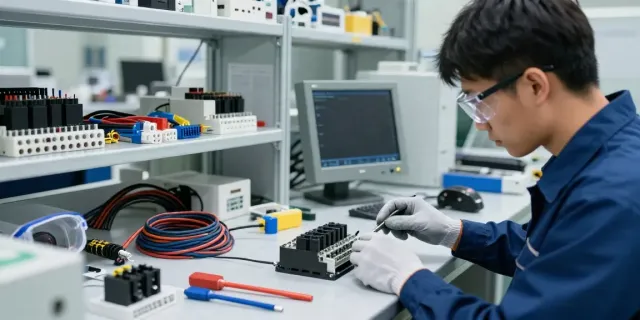
Understanding CNC Machining and Stainless Steel Parts
CNC (Computer Numerical Control) machining has revolutionized the manufacturing sector by automating processes and enhancing precision. It involves the use of computerized systems to manipulate machine tools, transforming raw materials into intricate parts with high accuracy. The versatility of CNC machining makes it an ideal choice for producing various components, especially in the realm of machined stainless steel parts, which are crucial in industries that demand durability and corrosion resistance.
The Basics of CNC Machining
CNC machining is a subtractive manufacturing process that requires a computer to control machining tools such as lathes, mills, routers, and grinders. The process begins with designing a 3D model using CAD (Computer-Aided Design) software, which is then converted into G-code, a language that CNC machines understand. This process allows for automated control over different operations, enabling the production of complex parts with consistent quality and precision.
Types of Stainless Steel Used in Machining
Stainless steel is an alloy primarily composed of iron, carbon, and chromium. Its corrosion resistance and mechanical properties make it a popular choice for manufacturing parts. The most commonly used types of stainless steel in CNC machining include:
- 304 Stainless Steel: Known for its excellent corrosion resistance and formability, making it suitable for general-purpose applications.
- 316 Stainless Steel: Offers superior corrosion resistance, particularly in harsh environments, making it ideal for marine and chemical industries.
- 410 Stainless Steel: A martensitic alloy that provides good wear resistance and is often used in applications requiring hardness.
Benefits of Machined Stainless Steel Parts
Using machined stainless steel parts provides several advantages:
- Corrosion Resistance: High chromium content protects against rust, making it suitable for exposure to moisture and chemicals.
- Strength and Durability: Stainless steel's high tensile strength ensures that parts can withstand significant forces without failure.
- Maintenance-Free: The durability of stainless steel minimizes the need for maintenance, providing long-lasting performance.
Advanced CNC Machining Techniques for Precision
To achieve high levels of precision in the production of stainless steel parts, manufacturers employ various advanced CNC machining techniques that enhance quality and efficiency.
Utilizing CAD/CAM Software in Design
CAD/CAM (Computer-Aided Design/Computer-Aided Manufacturing) software plays a critical role in CNC machining. CAD allows designers to create detailed 3D models of parts, while CAM tools generate the necessary code to direct machining operations. This integration leads to optimized machining paths, reduced waste, and improved turnaround times.
High-Precision Machinery and Equipment
Modern CNC machines come equipped with advanced technology that enables high precision and repeatability. Features such as live tooling, multi-axis capabilities, and automated tool changers allow for complex operations to be performed in one setup, reducing the time required for production and increasing accuracy.
Handling Complex Geometries and Tolerances
Today's manufacturing environments often demand parts with intricate designs and tight tolerances. CNC machining can accommodate these complex geometries thanks to its programmable nature, allowing for adjustments to be made quickly during the machining process. This capability is essential in industries such as aerospace, automotive, and medical devices, where precision is paramount.
Applications of Machined Stainless Steel Parts
Machined stainless steel parts find applications across a diverse range of industries due to their robustness and reliability.
Stainless Steel in the Medical Industry
In the medical field, the demand for high-quality stainless steel parts is particularly high. Surgical instruments and implantable devices require stringent standards of corrosion resistance, biocompatibility, and sterilization processes. Stainless steel parts fulfill these requirements and are essential in ensuring safety and efficacy in medical procedures.
Food Processing Equipment Requirements
In food processing, manufacturers rely on stainless steel components to guarantee hygienic conditions and durability. Equipment made from stainless steel can endure frequent cleaning and sterilization, preventing the buildup of bacteria and other contaminants. Its non-reactive properties also ensure that food quality is preserved during processing.
Chemical Industry Applications and Standards
The chemical industry often deals with highly corrosive substances. Stainless steel parts used in this sector must meet rigorous standards, including resistance to aggressive chemicals and the ability to maintain structural integrity at elevated temperatures. It is critical for components such as valves, pumps, and mixers to perform reliably over time under these conditions.
Quality Control and Assurance in Machining
Ensuring the quality of machined parts is vital to maintaining performance and safety standards across industries. Strict quality control measures are implemented throughout the manufacturing process to prevent defects and ensure conformity with specifications.
Importance of Strict Quality Control Measures
Quality control in CNC machining involves continuous monitoring of production processes. Techniques such as Statistical Process Control (SPC) allow for real-time data collection and analysis, enabling quick adjustments to be made to prevent defects and maintain precision.
Defect Detection Techniques in Manufacturing
Various methods are employed to detect defects in machined parts, including visual inspections, coordinate measuring machines (CMM), and non-destructive testing (NDT). These techniques help identify potential issues before parts are shipped, ensuring that only those meeting the highest standards reach the end-users.
Ensuring Compliance with Industry Standards
Effective quality control also involves ensuring compliance with industry regulations and standards, such as ISO 9001, which focuses on maintaining quality management systems. Adhering to these standards fosters trust among clients and enhances a company's reputation in the market.
Future Trends in CNC Machining and Material Science
As technology continues to evolve, CNC machining and material science are undergoing transformative changes that will shape the future of manufacturing.
Emerging Technologies in CNC Machining
New technologies, such as additive manufacturing and hybrid machining approaches, are starting to leave a mark on traditional CNC machining. Integrating additive processes allows for the creation of complex geometries that would be difficult to achieve using subtractive methods alone.
Innovations in Stainless Steel Alloys
Research and development in material science are leading to the creation of new stainless steel alloys with enhanced properties. Innovations may yield alloys that are lighter, stronger, and even more resistant to corrosion, expanding their applicability across various industries.
The Impact of Industry 4.0 on Manufacturing Processes
Industry 4.0 signifies the shift towards automation and data exchange in manufacturing technologies. The Internet of Things (IoT), AI, and machine learning are optimizing CNC machining processes by enabling predictive maintenance, real-time monitoring, and adaptive manufacturing systems that enhance overall efficiency and productivity.
FAQs on Machined Stainless Steel Parts
What are the key advantages of using stainless steel for CNC machining?
The key advantages of using stainless steel for CNC machining include its excellent corrosion resistance, high strength-to-weight ratio, and durability. These properties make it ideal for a wide range of applications, especially in industries where safety and reliability are paramount.
How do I choose the right CNC machining service?
When selecting a CNC machining service, consider factors such as the company’s experience, the range of materials they offer, their equipment capabilities, quality control practices, customer reviews, and their ability to meet your specific timelines and specifications.
What industries benefit most from machined stainless steel parts?
Industries that benefit most from machined stainless steel parts include medical devices, food processing, chemical manufacturing, aerospace, and automotive. Each of these sectors requires components that guarantee durability, safety, and compliance with stringent regulations.