Understanding Open Mouth Bag Filling Machines
Open mouth bag filling machines have become an essential asset across various industries, streamlining the packaging process for a myriad of products. These machines are specifically designed to efficiently fill pre-made open mouth bags with bulk solids, powders, and granules. The open mouth configuration allows for an easy insertion of product, leading to faster and more accurate filling operations. In this comprehensive guide, we will delve into the intricacies of open mouth bag filling machines, exploring their features, benefits, and the diverse applications they serve. Whether you're in the food industry, agriculture, or chemicals, understanding the open mouth bag filling machine is crucial for enhancing your packaging efficiency.
What is an Open Mouth Bag Filling Machine?
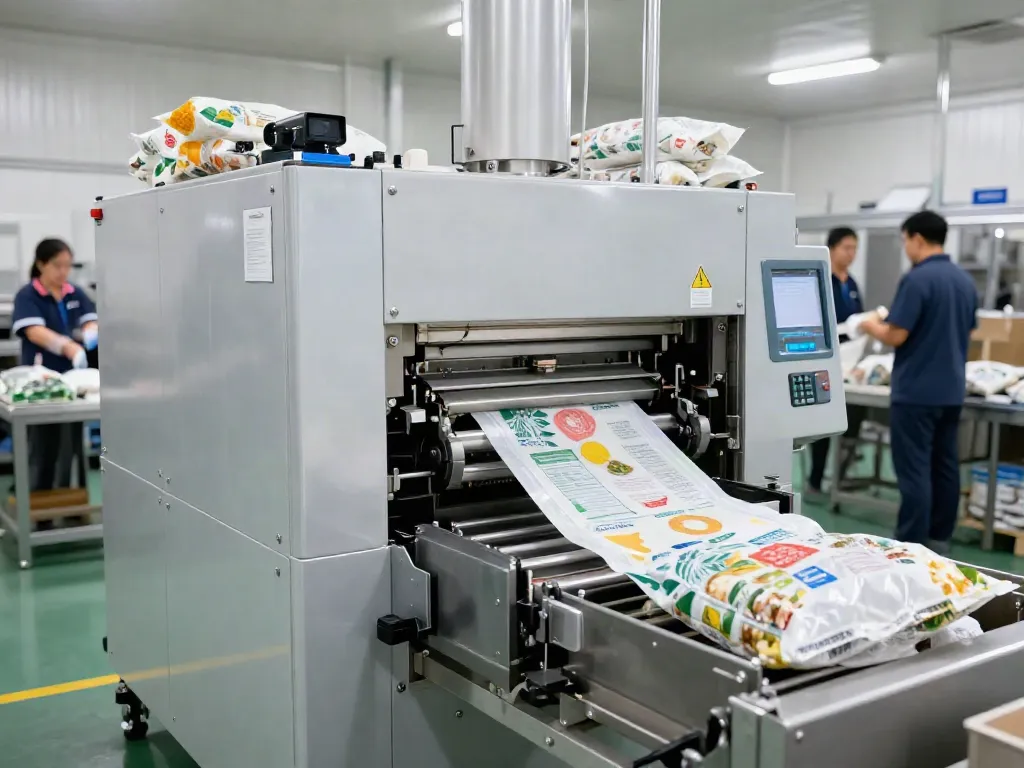
An open mouth bag filling machine is a specialized piece of equipment designed for the automated filling of open-top bags with various types of materials. This type of bag is commonly used for packaging flour, sugar, grains, pet foods, and chemicals, among other products. The machine operates by positioning a bag under a filling spout, which dispenses the product into the open mouth of the bag. Unlike valve bags, open mouth bags do not require a sealing method until after they are filled, making them more versatile for different types of materials. People often appreciate the efficiency and accuracy of these machines, especially in high-volume production environments.
Key Features and Benefits of Open Mouth Bag Fillers
- Efficiency: These machines significantly reduce the time required for manual bagging, allowing for high throughput and faster production rates.
- Accuracy: Automated filling ensures consistent weights and minimizes product spillage, which can lead to cost savings over time.
- Versatility: Open mouth bag fillers can handle various bag sizes and types, accommodating different industry needs.
- Ease of Use: Most modern machines come equipped with user-friendly interfaces, making it easier for operators to run them with minimal training.
- Durability: Constructed from robust materials, these machines are designed to withstand the rigors of industrial use while requiring minimal maintenance.
Common Applications Across Industries
Open mouth bag filling machines find applications in numerous industries. Below are some sectors that commonly utilize these types of machines:
- Food Industry: Used for packaging items such as flour, sugar, grains, and snacks. The ability to maintain hygiene and product integrity is crucial here.
- Agriculture: Ideal for packing animal feeds, fertilizers, and seed products, ensuring efficient loading and reduced product loss.
- Chemical Industry: Used for packing powders, granules, and bulk chemicals, where precision and safety are paramount.
- Construction: Often utilized to package sand, gravel, and other construction materials, facilitating easier transport and storage.
How to Choose the Right Open Mouth Bag Filling Machine
Selecting the appropriate open mouth bag filling machine involves careful consideration of several factors. Identifying your unique packaging requirements is the first step in this process. A comprehensive analysis will ensure you choose a machine that aligns with your production needs, regulatory requirements, and product specifications.
Assessing Your Packaging Needs and Requirements
Before making a purchase, evaluate your specific packaging needs. Consider the type of products being bagged, bag sizes, the desired output rate, and any industry-specific regulations that must be adhered to. It's also essential to analyze the expected volume of production to ensure the machine can handle peak demands efficiently.
Comparing Options: Automatic vs. Manual Machines
When choosing between automatic and manual open mouth bag filling machines, consider the scale of your operations. Automatic machines offer significant advantages in speed and precision, making them ideal for high-volume production. In contrast, manual machines may suffice for smaller operations or specific situations where manual intervention is preferred. Assess your budget as well, as automatic machines often require a larger upfront investment but can lead to long-term savings.
Evaluating Performance Metrics and Specifications
Different machines come with varying specifications regarding speed, filling accuracy, and operational flexibility. Ensure you review performance metrics and choose a model that meets your production volume and consistency needs. Look for features like adjustable filling speeds, automated bag positioning systems, and easy calibration options that enhance performance.
Best Practices for Operating Open Mouth Bag Filling Machines
To maximize the efficiency and longevity of your open mouth bag filling machine, it is vital that operators follow best practices for operation and maintenance. These practices not only improve productivity but also ensure safety in the workplace.
Safety Protocols and Maintenance Essentials
Establishing robust safety protocols is essential to protect both operators and equipment. Regular maintenance schedules should be adhered to, including checking for any wear and tear, lubrication of moving parts, and ensuring that safety features are functioning correctly. Operators should also receive training on emergency protocols and machine operation to minimize risk.
Training Operators for Efficient Use
Investing time in effective operator training can drastically improve machine performance. Ensure that operators are familiar with machine features, settings adjustments, and troubleshooting techniques. This knowledge empowers them to handle minor issues independently, reducing downtime and enhancing overall efficiency.
Ensuring Consistency and Quality Control
Implement quality control measures at every stage of the packaging process. Regularly check the weight and seal integrity of filled bags to maintain product quality. Automated systems often allow for in-line checks, ensuring that any deviations from specified parameters are immediately corrected.
Challenges in Open Mouth Bag Filling Operations
While open mouth bag filling machines offer numerous advantages, they are not without challenges. Understanding these obstacles is essential for maintaining a smooth operation.
Identifying Common Obstacles and Solutions
Common challenges include product bridging in hoppers, variations in product flowability, and bag misalignment during filling. Utilizing advanced sensors and real-time monitoring systems can mitigate these issues. Regular equipment calibration and staff training on process adjustments are also vital for overcoming these hurdles.
Managing Product Variability and Flowability Issues
Product characteristics such as moisture content, particle size, and shape can significantly influence flowability. Implementing pre-processing solutions like shredding or grinding can enhance flowability, ensuring smoother filling operations. Additionally, employing flow aids in hoppers can help maintain a consistent product feed.
Understanding Regulatory Compliance in Packaging
Compliance with industry regulations is crucial, especially in food and chemical packaging. Ensure that your open mouth bag filling machine meets all local, state, and federal guidelines. Regular audits and certifications can help maintain compliance and enhance product safety.
Future Trends in Open Mouth Bag Filling Technology
The landscape of open mouth bag filling technology is continually evolving. To stay competitive, it's important to be aware of the latest trends shaping the industry.
Innovations in Automation and Technology Integration
Recent advancements include smart technology integration that allows for enhanced monitoring and adaptive filling processes. IoT-enabled machines can provide real-time data analytics, optimizing operations and predictive maintenance schedules. This data can help manufacturers adjust their operations dynamically and forecast future needs.
Emerging Markets and Applications for 2026
As industries evolve, new markets for open mouth bag filling machines are emerging. Increased demand for sustainable packaging materials and automation in developing nations are driving growth. Companies must be agile to adapt to these trends and meet consumer demands for efficiency and environmental responsibility.
Anticipating Changes in Consumer Demand and Supply Chains
With the ongoing shifts in consumer behavior and supply chain dynamics, manufacturers need to anticipate changes in demand. The rise of e-commerce and direct-to-consumer models requires more flexible and efficient packaging solutions. Open mouth bag filling machines that can accommodate shorter runs and diverse product types will be key to staying relevant.
What are the advantages of open mouth bag filling machines?
Open mouth bag filling machines enhance efficiency, accuracy, and product versatility while reducing labor costs and time. Their streamlined operations allow for quicker packaging cycles and improved product integrity.
How do I maintain my open mouth bag filling machine?
Regular maintenance involves cleaning, lubricating, and inspecting machine components for wear. Establishing a maintenance schedule can help prolong the machine's lifespan and ensure consistent performance.
What industries benefit from open mouth bag filling solutions?
Industries such as food production, agriculture, chemicals, and construction significantly benefit from open mouth bag filling solutions due to their efficiency and adaptability to various products.
What safety measures should be in place for these machines?
Safety measures include operator training, regular safety audits, emergency stop features, and proper guarding of moving parts to minimize risk during operation.
How does the cost of open mouth bag filling machines vary?
The cost of open mouth bag filling machines can vary widely based on automation level, features, and capacity. Understanding your specific needs can help in budgeting effectively for this essential equipment.